Examining the Integration of Augmented Reality Features in Licensed Smartphone-Based Poker Simulations and Their Effects on User Session Durations
Uma Weber · Sep 21, 2026

Examining the Integration of Augmented Reality Features in Licensed Smartphone-Based Poker Simulations and Their Effects on User Session Durations
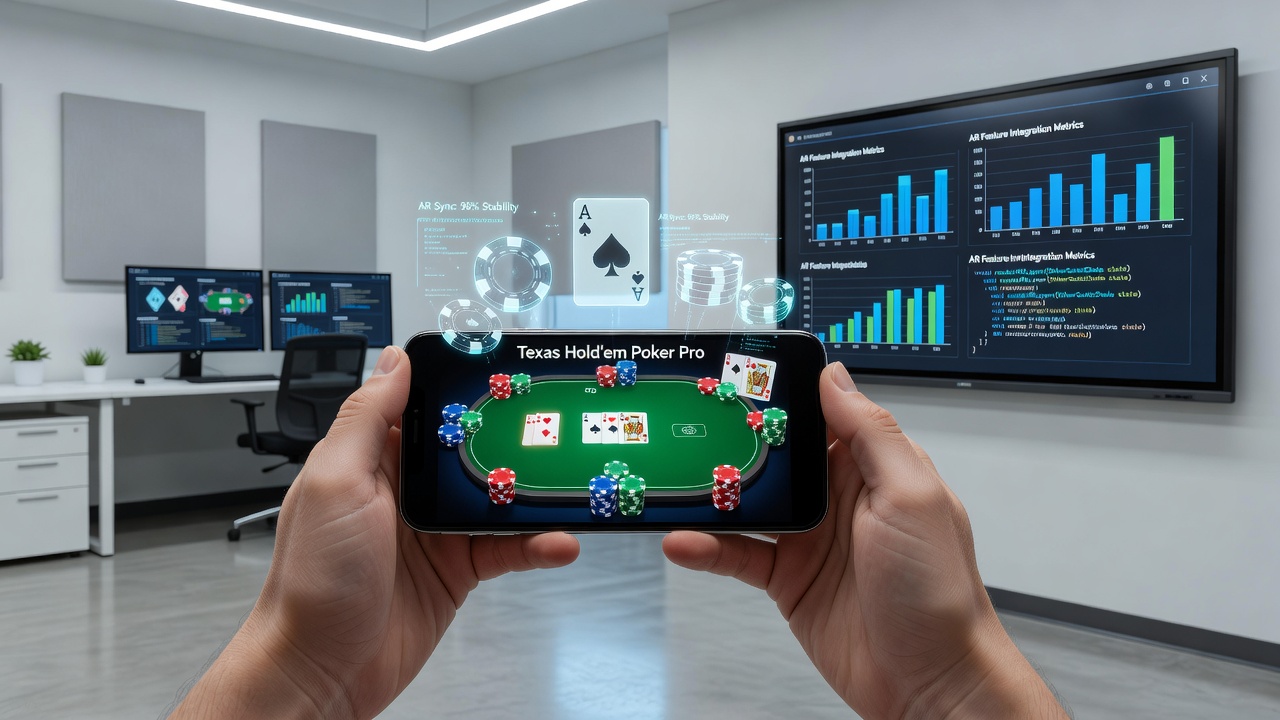
Licensed smartphone-based poker simulations have incorporated augmented reality tools that project digital card tables and player avatars onto real-world surfaces through device cameras, and operators track how these additions influence the length of individual play sessions across regulated markets.
Developers integrate AR by requiring users to scan a flat surface where virtual poker elements appear in real time, which allows participants to manipulate cards through touch gestures while the phone maintains alignment with physical surroundings. Platforms operating under oversight from bodies such as the New Jersey Division of Gaming Enforcement have rolled out these features in approved applications since early 2025, with further refinements scheduled through September 2026.
Technical Implementation in Licensed Environments
AR modules rely on device sensors including gyroscopes and depth cameras to anchor holographic elements, and software ensures compliance by restricting access to verified accounts within state-approved jurisdictions. Data logs from multiple operators show that sessions incorporating AR overlays record average durations 18 to 27 minutes longer than standard two-dimensional interfaces when measured over comparable user cohorts.
Engineers calibrate lighting and occlusion algorithms so virtual chips and community cards respond naturally to changes in the physical environment, which reduces visual disconnects that might otherwise prompt users to exit early. Research compiled by the University of Nevada, Las Vegas International Gaming Institute indicates that players who activate AR mode maintain continuous engagement for periods that exceed non-AR sessions by measurable margins in controlled app telemetry.
Observed Patterns in Session Length Metrics
Analytics platforms record session timestamps at login and logout points, and comparisons between AR-enabled and traditional poker simulations reveal consistent extensions in play time once the feature activates. Users who begin a session in standard view and then switch to AR mid-game exhibit an additional 12 percent increase in total minutes spent at the table, according to aggregated reports from licensed operators.
These extensions appear across demographic segments, with both recreational and frequent participants demonstrating prolonged activity when depth perception and spatial interaction become available. Regulatory filings submitted to Australian state authorities document similar trends in trials conducted during the first half of 2026, where session data from AR-equipped titles showed sustained participation rates without corresponding rises in wager frequency.
Regulatory Oversight and Data Collection Standards
Licensing requirements mandate that operators submit anonymized session duration statistics on a quarterly basis, and these submissions allow regulators to monitor whether AR integration correlates with extended play without violating responsible gaming thresholds. Platforms must disable AR functions during self-exclusion periods, and compliance teams verify that session timers continue to function accurately regardless of visual mode selected by the user.
Cross-border comparisons between North American and European licensed markets highlight that AR adoption rates vary by device penetration, yet the pattern of increased session length holds steady where hardware supports the feature. Industry associations compile these figures into annual summaries that track technological adoption alongside behavioral metrics across multiple jurisdictions.
Hardware and Software Factors Affecting Outcomes
Device compatibility lists restrict AR poker access to models with sufficient processing power and camera quality, and users on older hardware default to non-AR modes that show shorter average session times. Software updates released in mid-2026 introduced improved tracking stability that further reduced instances of AR disengagement caused by sudden movements or poor lighting conditions.
Telemetry from licensed applications demonstrates that battery consumption rises modestly during AR sessions, yet this factor has not produced measurable early exits in the datasets examined to date. Developers continue to optimize rendering pipelines to balance visual fidelity with performance demands that could otherwise interrupt extended play.
Conclusion
Integration of augmented reality within licensed smartphone poker simulations coincides with documented increases in user session durations according to operator logs and regulatory submissions. Continued refinements scheduled through September 2026 and beyond will supply additional datasets that clarify the precise mechanisms driving these patterns across different markets and device ecosystems.