Mapping Player Progression Through Loyalty Tiers in Licensed Digital Roulette Environments Across Emerging State Markets
Drew Lang · Oct 5, 2026
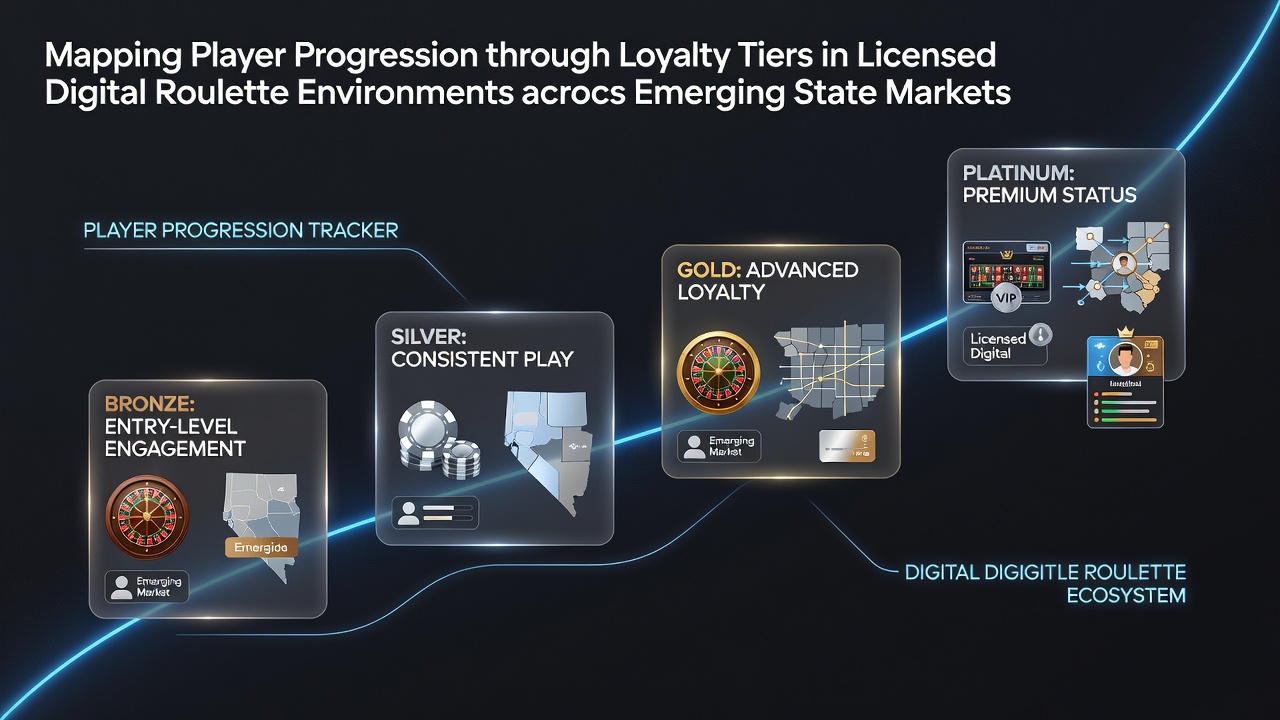
Mapping Player Progression Through Loyalty Tiers in Licensed Digital Roulette Environments Across Emerging State Markets
Data from regulatory filings shows that licensed digital roulette platforms in emerging state markets have integrated loyalty tier systems to track player activity through structured progression mechanics, and these systems convert wager volumes into points that unlock successive benefit levels. Observers note that states entering the online gaming sector since 2023 have required operators to maintain transparent records of how roulette-specific bets contribute to tier advancement, which creates measurable pathways from entry-level status to premium designations.
Core Mechanics of Tier Progression in Digital Roulette
Operators calculate points primarily from roulette wagers placed on licensed apps, and each dollar bet typically yields a fixed point allocation that accumulates across sessions without regard to individual bet outcomes. Research indicates that entry tiers often require 1,000 to 5,000 points for activation, while mid-level tiers demand between 20,000 and 75,000 points based on state-specific compliance rules. Higher tiers grant access to faster withdrawal processing, personalized roulette table limits, and periodic point multipliers applied directly to roulette play, and these benefits activate automatically once cumulative thresholds are met.
Platform algorithms segment roulette activity into distinct categories such as inside bets, outside bets, and live dealer rounds, then assign differential point values to encourage varied engagement patterns. Figures from October 2026 filings reveal that players advancing through three or more tiers within a six-month window generate average session lengths 35 percent longer than those remaining at base levels, according to aggregated operator reports submitted to state gaming commissions.
Application Across Emerging State Markets
States that authorized digital roulette operations in 2024 and 2025 have implemented tier mapping requirements that tie progression data to player verification systems, and this linkage allows regulators to monitor responsible gaming indicators alongside loyalty activity. Michigan's regulatory framework, for instance, mandates quarterly submissions detailing how roulette point accrual correlates with deposit frequency, while similar provisions appear in statutes governing newer markets such as those preparing voter referendums for 2026 implementation.
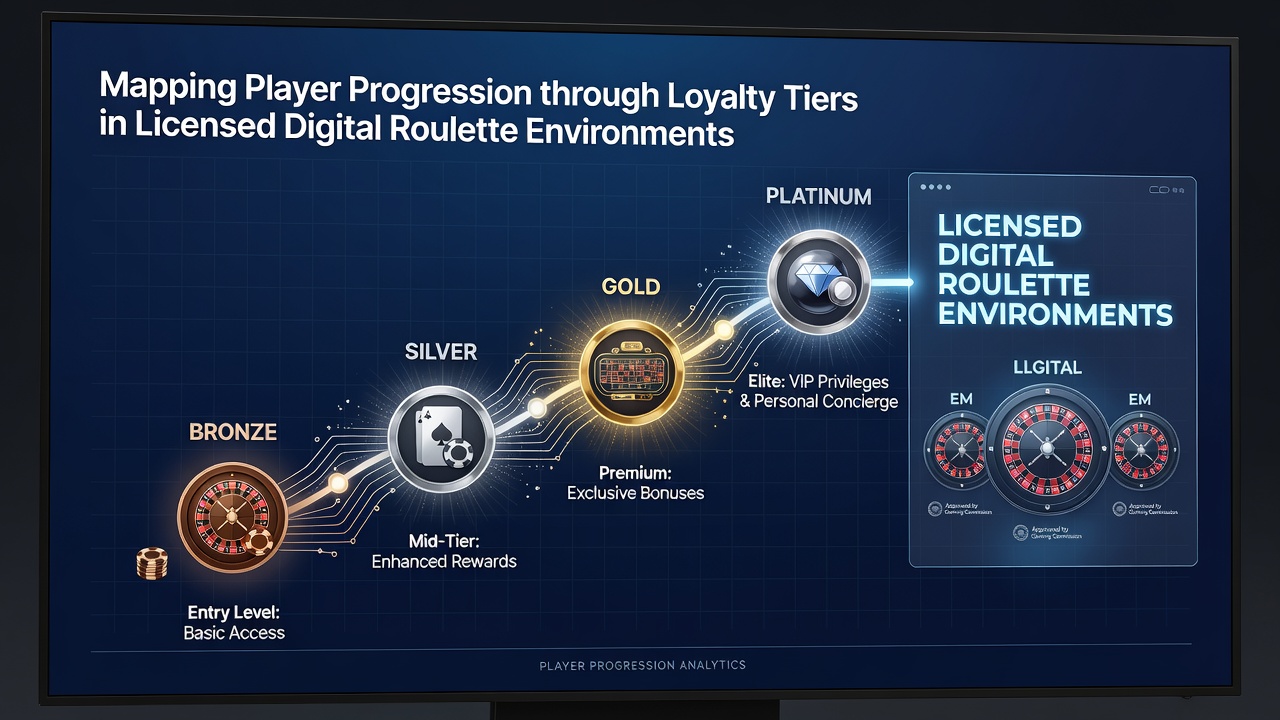
Operators in these jurisdictions deploy tier dashboards within mobile interfaces that display real-time progress bars, projected advancement dates, and required additional wager amounts to reach the next level. Data compiled by the National Council on Problem Gambling indicates that transparent tier displays correlate with reduced instances of extended play sessions exceeding three hours among roulette participants in states with active oversight programs.
Integration With Regulatory Compliance and Reporting
Emerging markets require operators to log every point transaction tied to roulette wagers and retain these records for a minimum of five years, which enables auditors to verify that tier benefits do not circumvent wager restrictions or bonus playthrough rules. The New Jersey Division of Gaming Enforcement publishes annual summaries that break down loyalty tier distributions across table game categories, and roulette consistently accounts for 18 to 22 percent of total points earned in multi-game portfolios according to the most recent release covering calendar year 2025.
Cross-state data sharing agreements have begun to standardize how tier status transfers when players relocate to newly licensed jurisdictions, and this process preserves accumulated points while resetting certain benefit timers to align with local statutes. Academic analyses from institutions such as the University of Nevada's gaming research center have examined these transfer mechanisms and documented consistent patterns in advancement velocity across different regulatory environments.
Technical Implementation and Player Interface Design
Licensed platforms employ API connections between roulette game servers and centralized loyalty engines, which update tier status within seconds of wager settlement. Developers configure roulette-specific triggers that award bonus points for consecutive outside bets or for reaching certain table minimum thresholds, and these triggers operate independently of standard point accrual to create layered progression incentives. State regulators review these configurations during licensing renewals to confirm that mechanics remain free of elements that could disproportionately favor high-volume players.
October 2026 updates to several state portals introduced exportable tier history reports that players can download directly from account menus, and these reports list every roulette session contribution alongside cumulative point totals. Such features emerged following industry association recommendations aimed at increasing transparency in loyalty program administration across digital table environments.
Conclusion
Mapping player progression through loyalty tiers in licensed digital roulette environments continues to evolve alongside regulatory expansion in emerging state markets, with operators maintaining detailed tracking systems that convert wager data into tier status updates. State agencies enforce reporting standards that link these systems to broader compliance frameworks, and available data from multiple jurisdictions illustrates measurable patterns in how roulette activity drives advancement. As additional states finalize licensing procedures, the technical and administrative structures supporting tier progression are expected to incorporate further standardization measures drawn from existing operational models.